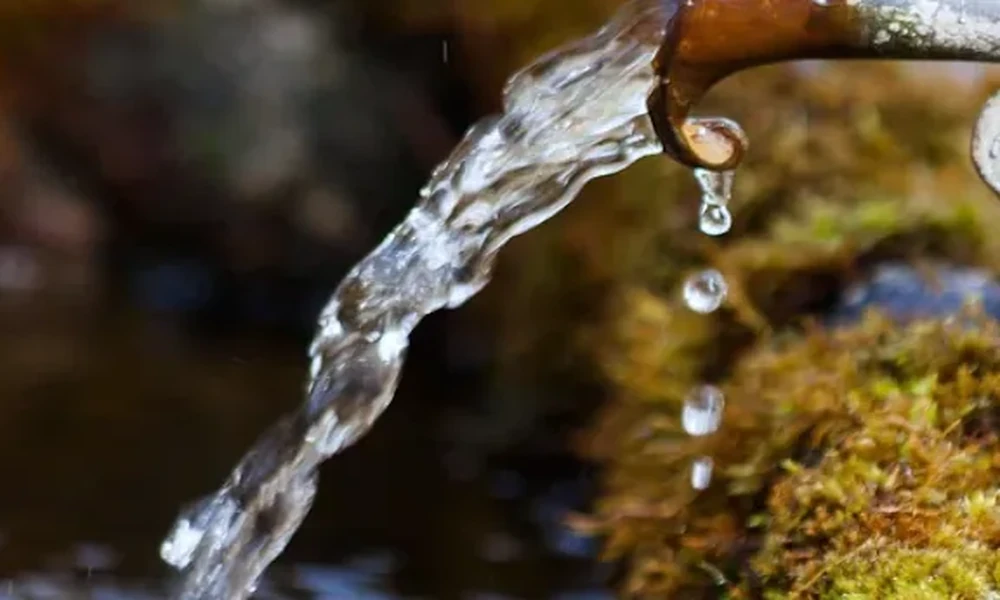
Long before water reaches a kitchen faucet in Austin, it has already spent time in contact with rock. The Colorado River and the Highland Lakes sit in limestone country, and private wells across the Hill Country draw from aquifers carved through that same stone. Water picks up calcium and magnesium along the way. Treatment plants remove a share of it, but some always travels into the house.
Homeowners rarely think about this until a showerhead sputters or a water heater starts popping. Local plumbers such as Guyton Services see the pattern every week across the Greater Austin area, where plumbing, drain trouble and water quality tend to overlap more than people expect. The USGS Water Science School explains hardness simply: it is the amount of dissolved calcium and magnesium in water. Anything above 180 milligrams per liter counts as very hard, and many Texas sources land in the hard to very hard range.
The best way to understand what those minerals do is to follow one gallon through an ordinary home.
Stop One: The Meter and the Main Line
Water enters under pressure from the street. At this point it still looks perfect. Clear, cold and fast.
Two things matter here. The first is pressure. Hilly neighborhoods west of the city can see high street pressure, and a failing pressure reducing valve lets that force hit every fitting inside. The second is disinfection. Many Texas utilities, including Austin Water, use chloramine rather than plain chlorine because it lasts longer in the pipes. That is good for safety but it changes how some filters and rubber parts behave over time.
Neither issue is visible. Both shape how long everything downstream will last.
Stop Two: The Water Heater
Heat is where hardness turns from a number into a problem. Calcium carbonate dissolves easily in cold water and drops out of solution when water warms up. Inside a tank heater, it settles on the bottom as a crusty layer of sediment.
You can often hear it. A rumbling or popping sound during heating is water trapped under that mineral layer, boiling in small bursts. The burner or element has to push heat through rock before it reaches the water, so efficiency drops and the tank bottom runs hotter than it was designed to.
Tankless units suffer in a different way. Their narrow heat exchanger passages can scale up quickly, which is why most manufacturers call for periodic descaling in hard water areas. Skip it and flow drops, error codes appear and warranty coverage can become a debate.
A yearly flush for tank heaters and a descaling routine for tankless models are two of the cheapest habits a Central Texas homeowner can build.
Stop Three: Faucets, Showers and Toilets
Once the water leaves the heater, it heads to fixtures where it sits, drips and evaporates. Every evaporated drop leaves minerals behind.
The signs show up in predictable places:
- White crust around aerators and showerhead nozzles that narrows the spray
- Chalky rings inside toilet tanks that stiffen flappers until they no longer seal
- Cartridges in single handle faucets that grind or stick because scale builds between moving parts
- Spots on glass shower doors that come back days after cleaning
The toilet flapper deserves special attention. A flapper that no longer seats properly lets water trickle into the bowl around the clock. It makes almost no noise, yet it can waste a surprising amount. The EPA WaterSense program notes that household leaks waste nearly 10,000 gallons a year in the average home, and running toilets are among the most common culprits. A drop of food coloring in the tank is an easy test. Color in the bowl within 15 minutes means the seal is gone.
Stop Four: Appliances That Heat and Spray
Dishwashers and washing machines combine both bad conditions for hard water: heat and evaporation. Spray arms clog, heating elements gather scale and dishes come out cloudy even with fresh detergent.
People often respond by adding more soap. That backfires. Calcium reacts with soap to form scum, and extra detergent simply creates more residue that heads straight for the drain.
Stop Five: The Drain
Here the story shifts from supply side to waste side, and it is where many Austin homeowners first call for help.
Soap scum, body oils and hair cling to the walls of shower and tub drains. In hard water, that sticky mix hardens faster and grips tighter. Kitchen lines face a similar problem with grease, which cools and binds with minerals and food particles into a dense coating.
Below the house, local soil adds another layer. Expansive clay in parts of Central Texas swells after rain and shrinks hard during drought. That movement can shift older cast iron or clay sewer lines, creating low spots called bellies where waste settles and slow drains begin. Tree roots also hunt for moisture during dry summers, and a small crack in an older line is an open invitation.
A drain that slows gradually across several fixtures usually points to the main line. A single slow sink usually means a local clog. Knowing the difference saves time and money because the fix for each is very different.
Why Quick Fixes Often Fail Here
Store bought chemical cleaners can open a soft clog, but they do little against mineral bonded buildup and can damage older pipes with repeated use. Mechanical cleaning or hydro jetting removes the coating, while a camera inspection shows whether a structural problem like a belly or root intrusion is causing repeat trouble.
Deciding Whether to Treat the Water
After following the gallon all the way out, the obvious question is whether to treat it at the start.
Testing comes first. Your utility’s annual water quality report gives a city level average, but readings at your own tap can differ, and private wells can vary widely from one property to the next. A simple hardness test strip offers a rough idea. A professional test adds detail on chloramine, iron and total dissolved solids.
Treatment options generally fall into a few groups. Ion exchange softeners swap calcium and magnesium for sodium or potassium and protect the whole house. Carbon filtration targets taste and chloramine but does not soften. Reverse osmosis systems at the kitchen sink deliver very clean drinking water in small volumes. Salt free conditioners change how minerals behave rather than removing them, and results depend heavily on water chemistry.
Many homes end up with a combination, such as a whole house softener paired with a filtered drinking tap. The right mix depends on test results, household size and whether the home already has scale damage worth slowing down.
Reading Your Home’s Signals
Limestone gave Central Texas its springs, its swimming holes and its clear green rivers. The same rock leaves a fingerprint on every pipe, tank and drain it touches. Homeowners who learn to read those signals early, from a popping water heater to a slow tub, tend to spend less on emergency repairs and more on simple maintenance that keeps water moving.
Paying attention once or twice a year is usually enough. Listen to the heater, check the toilet tank, clean the aerators and notice which drains slow first. Those small observations tell the full story of the water that flows through your home.